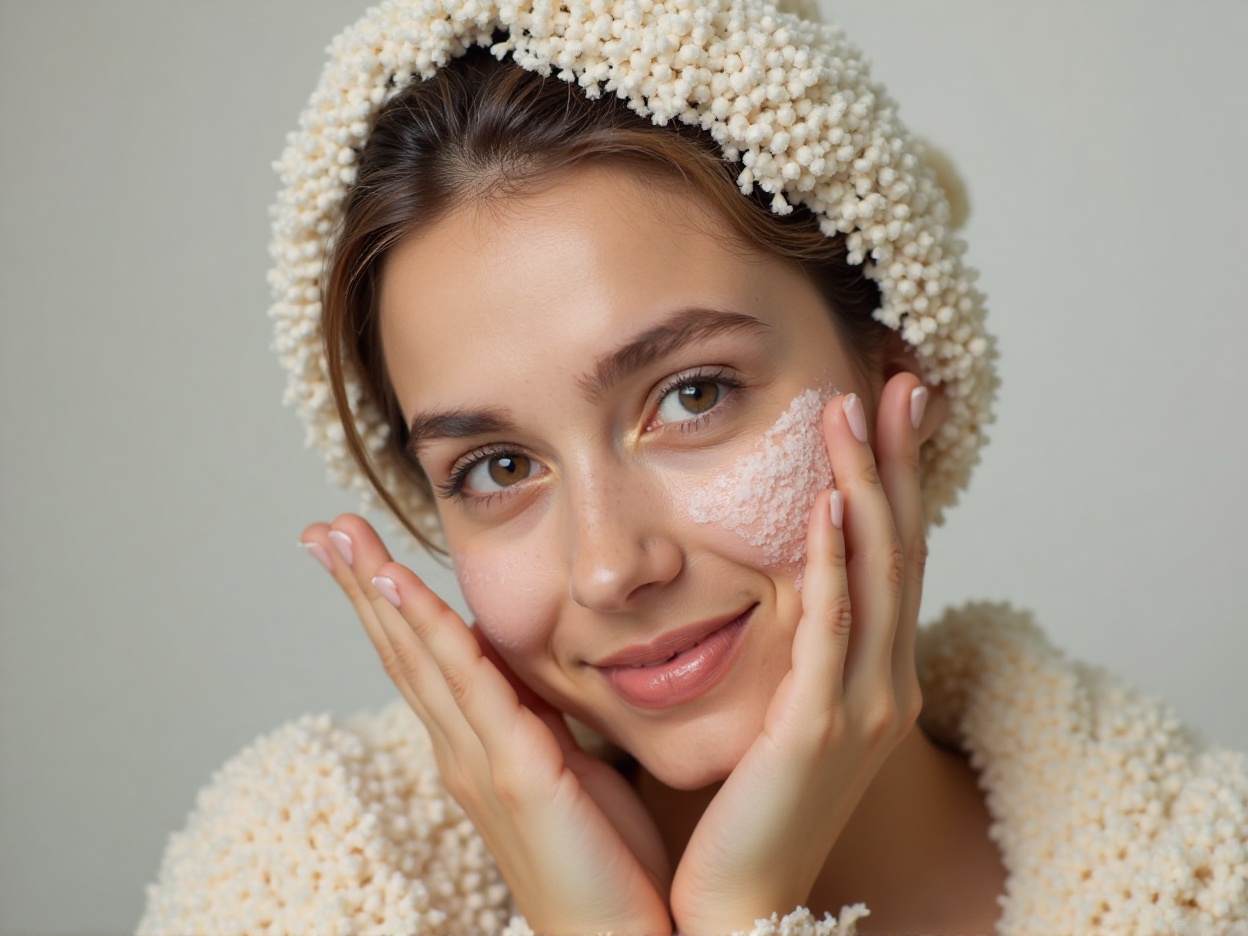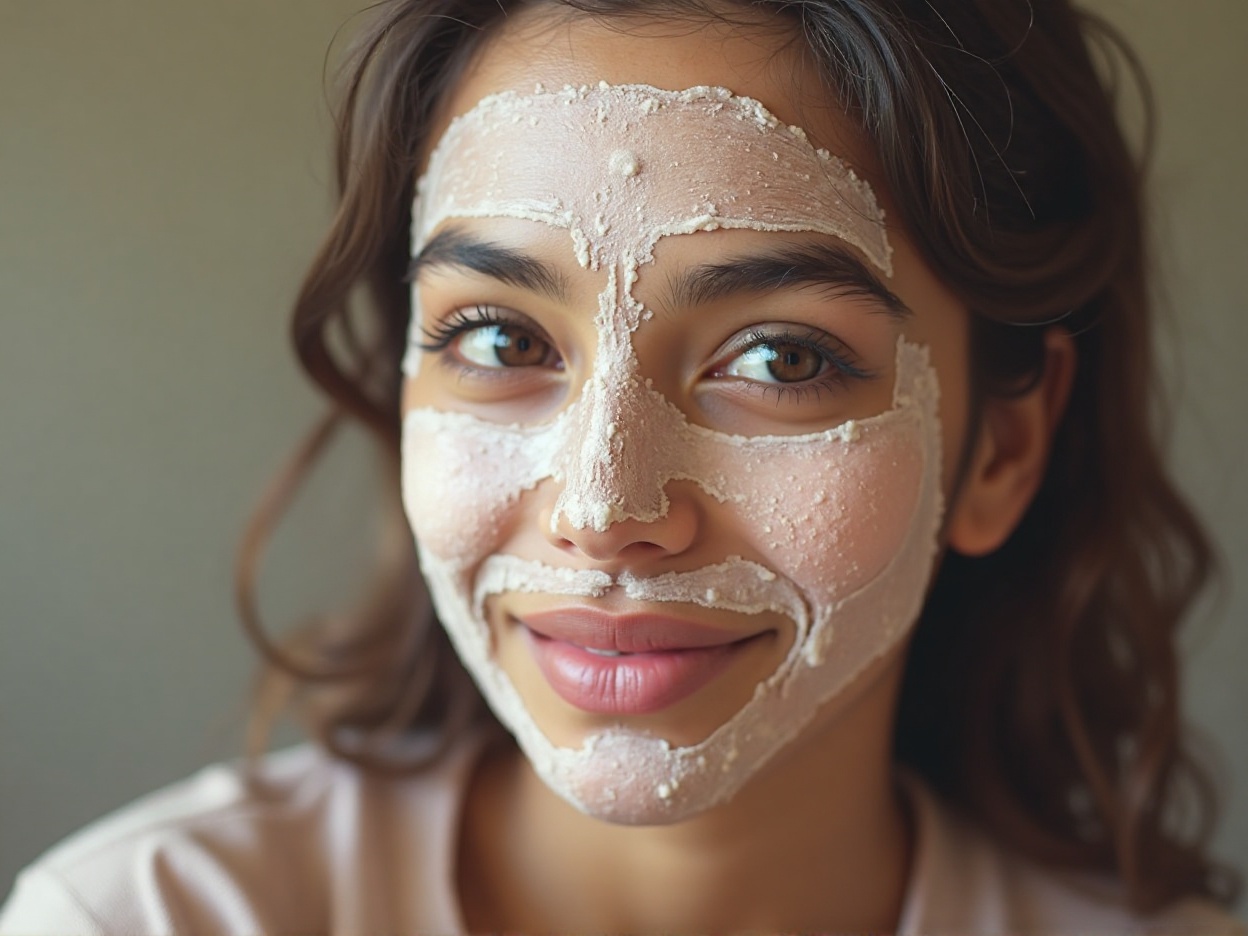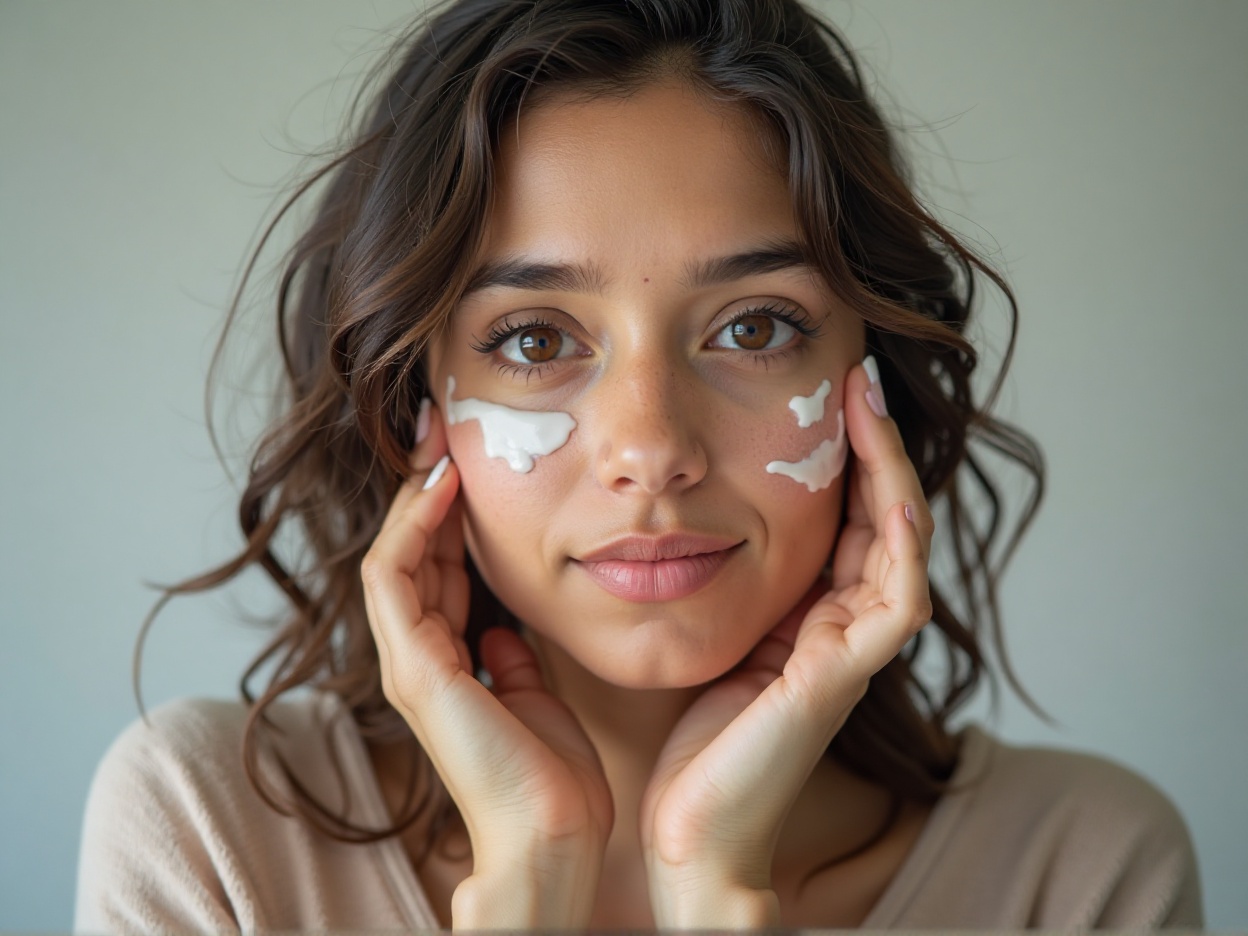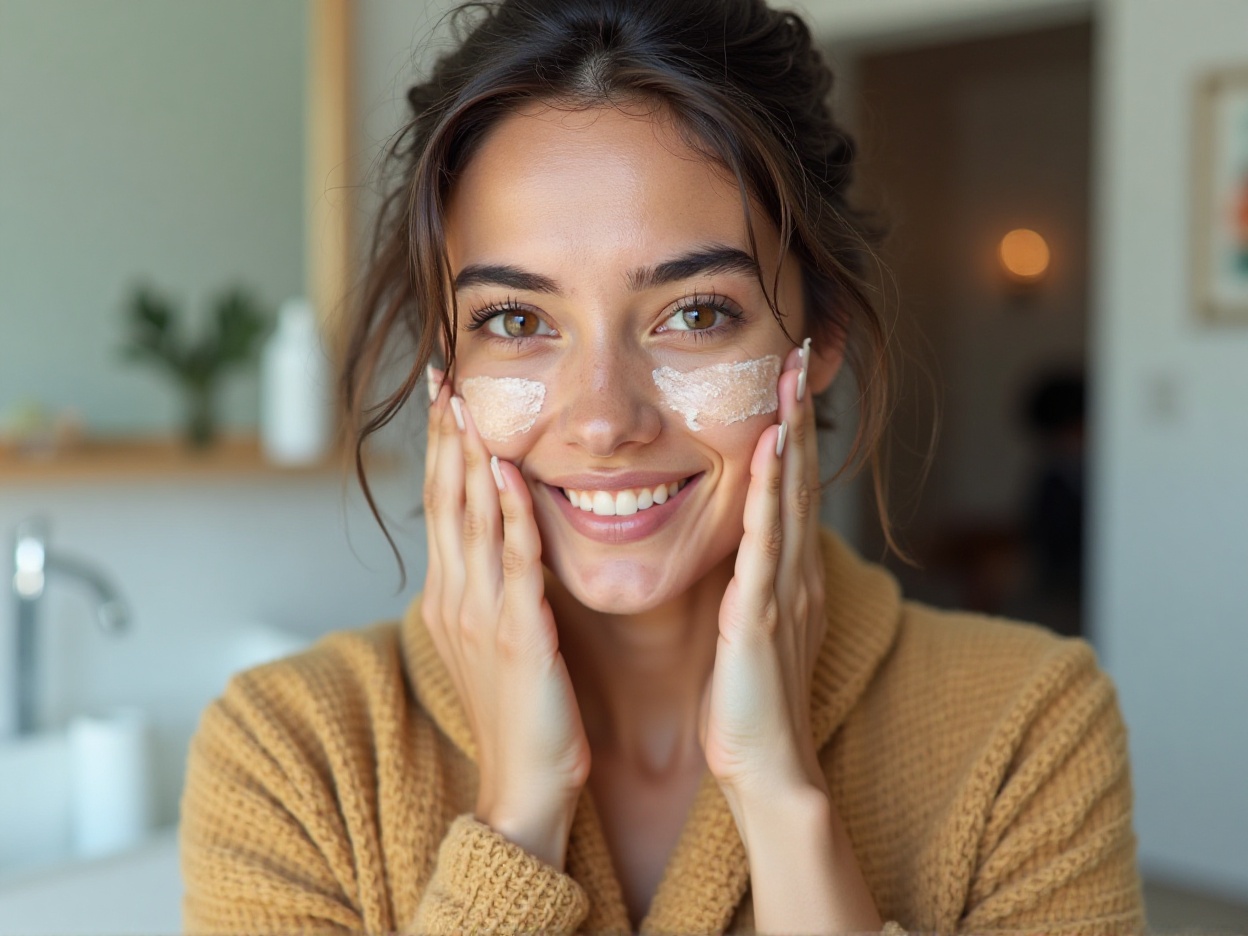


In the ever-evolving world of skincare, rosewater continues to stand the test of time. Found in ancient beauty rituals and modern routines alike, this floral essence sparks debate: Is rosewater truly a toner, or is it better classified as a treatment? Let’s unravel the truth—and explore how it fits into today’s targeted skincare regimens, especially for summer skin revival.
What Exactly Is Rosewater?
Rosewater is a gentle, aromatic liquid produced by steam-distilling rose petals. Rich in antioxidants and anti-inflammatory compounds, it naturally soothes irritation, balances pH, and offers mild hydration. While it lacks traditional active ingredients like BHA or Vitamin C, its compatibility with sensitive skin makes it a popular choice for those seeking a natural skincare boost.
Historically used as a toner, rosewater helps remove residual impurities and preps the skin for serums and moisturizers. However, unlike modern toners loaded with exfoliants or actives, rosewater doesn’t aggressively target concerns like pigmentation or acne. Instead, it supports the skin barrier—a crucial foundation for any treatment to work effectively.
Rosewater in the Context of Summer Skin Revival
Summer brings heat, sweat, UV exposure, and increased sebum production—all of which can trigger redness, breakouts, and uneven tone. This is where rosewater shines as both a preventive and supportive measure in your routine.
While not a standalone solution for pigmentation or acne, rosewater enhances the performance of active treatments. For instance, pairing rosewater with a gentle BHA exfoliant can reduce irritation while supporting pore clarity. Similarly, applying rosewater before a Vitamin C serum may soothe the skin and improve absorption without compromising acne-safety.
Here’s how rosewater fits into common summer skincare goals:
| Skin Concern | Rosewater’s Role | Pairs Well With |
|---|---|---|
| Redness & Irritation | Soothing, anti-inflammatory | Oily skin, post-sun care |
| Pigmentation | Indirect support (hydration, barrier) | Vitamin C, niacinamide |
| Acne-Prone Skin | Non-comedogenic, pH balancing | Salicylic acid (BHA), tea tree |
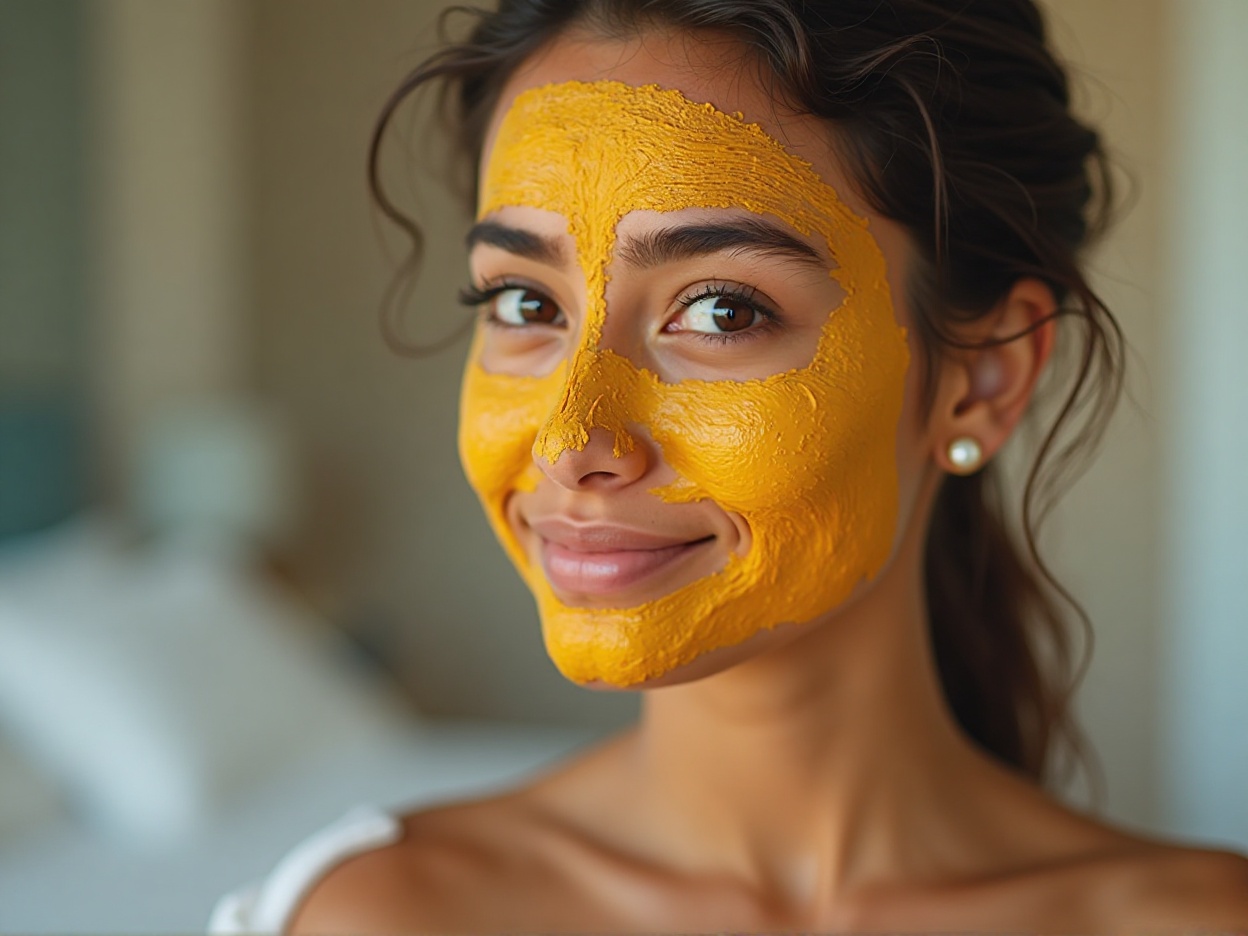
| DIY Skincare | Base for toners, mists, masks | Aloe, essential oils (diluted) |
Toner or Treatment? The Verdict
Technically, rosewater functions best as a toner—especially in minimalist or sensitive-skin routines. It lacks the concentrated actives required to be a treatment for specific concerns like hyperpigmentation or active acne. However, its role in enhancing product efficacy and calming inflammation positions it as a valuable supportive treatment in targeted regimens.
Its real strength lies in versatility. Use it as a midday refresher to combat summer dryness, a makeup-setting spray, or a DIY base for custom skincare blends. For those crafting their own products at home, rosewater’s natural origin and accessibility make it a staple in DIY circles.
Maximize Your Summer Skincare—Free Expert Guidance Awaits
Navigating the balance between actives and gentle support is key to glowing summer skin. If you’re curious about integrating rosewater into a routine with BHA, Vitamin C, or custom DIY solutions, we’ve got you covered.
This summer, unlock your best skin with our free skincare courses—available to all members. Learn how to layer products safely, target pigmentation, and maintain acne-safe practices—all while using gentle ingredients like rosewater to elevate your routine. Join today and get exclusive access to seasonal guides, ingredient breakdowns, and step-by-step tutorials designed for real skin, real results.
Upgrade to membership now and make this summer your most radiant season yet.